Plastics Modern Light Dimmers, Light Switches, Wall Plates & Outlet Covers






Dimmers, Controls & Wall Plates Explore
The Indispensable Presence of Dimmer Switches, Controls & Outlets
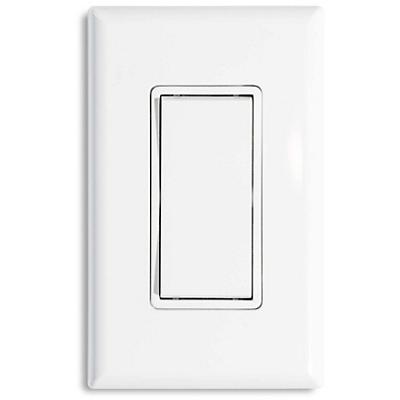
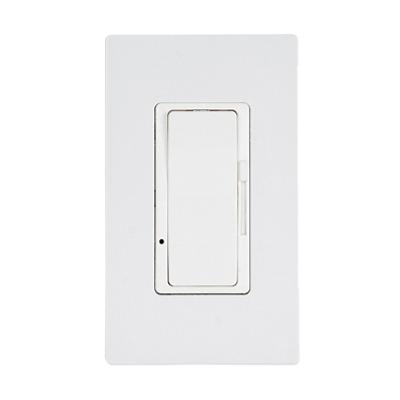
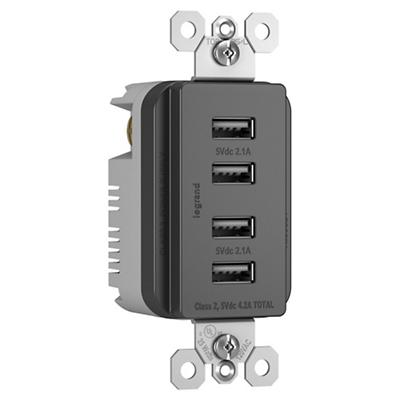
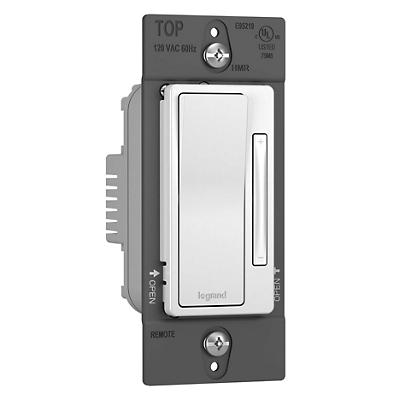
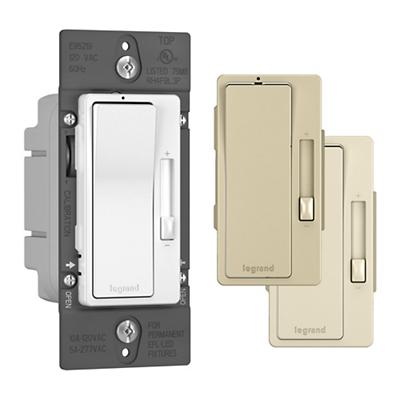
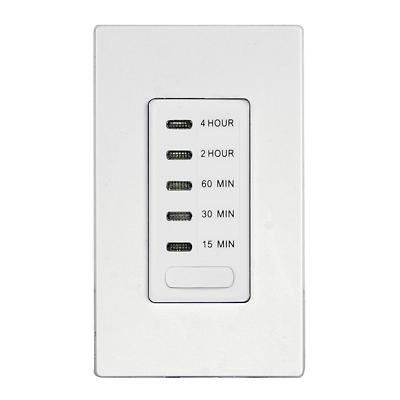
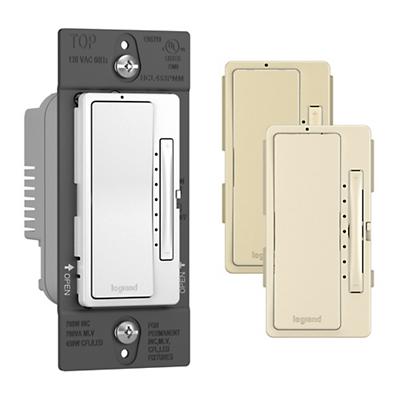
This collection focuses on dimmers, controls, wall plates, and switch plates for full control of lighting and ambience in the home, office or hospitality setting. From incandescent and LED lamping to wall and switch plates, there's a wide array of equipment designed for every need. Light dimmers and light switches offer flexibility in that area in-between, giving just the right level of brightness as dictated by a given situation or desired mood. Dimmers offer the perfect way to toggle between different lighting levels, making them ideal for various applications. Use the power of light to create an effect of relaxation, romance, or welcoming energy. With the same set of lights, lighting controls can give full brightness for a cocktail party one night, and then down for glare-free TV viewing the next. Accessorize and modernize lighting with this selection of light switches, dimming controls, wall plates, and outlets and switch plates.
The Indispensable Role of Wall Plates in Home Design
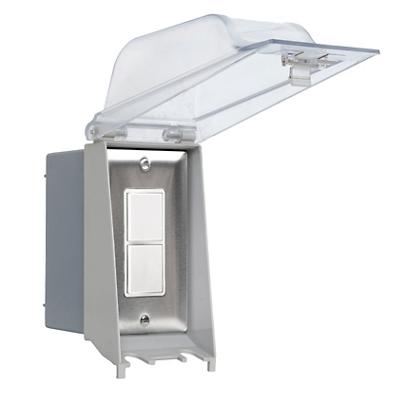
Wall plates do more than hide electrical connections; they add to the overall decor. By picking the right wall plates, any room can be transformed to match your home's aesthetic. With finishes available in sleek aluminum, timeless wood, and clean white, wall plates offer an easy aesthetic upgrade. For the perfect fusion, match colors and textures with existing fixtures. Custom wall plates provide a way to introduce elegance to your surroundings without expensive renovations.
Where Light Switch Dimmers Work Best
Every room of the home benefits from the appearance of a contemporary light switch or dimmer switch. In living rooms, where a variety of events or activities can occur, essential dimming controls provide tailored lighting levels. They also work well in bedroom lighting systems by lowering the light level to set an intimate, romantic mood. When choosing dimmers, consider if smart controls or remote functions serve your needs better. Having the option to control or adjust the brightness of ceiling lights, recessed lighting, or portable lamps transforms any room. Make sure to pair the light switch or dimmer controls with a matching wall plate and outlet cover. Using smart dimmers and remote control options can enhance the overall lighting effect within each room, creating a smart, connected space. Switch plates and wall plates are essential to ensure cohesive aesthetics and functionality in lighting control systems. Available in a variety of materials, textures and color finishes, a good-looking wall plate and outlet complements the lighting and rounds out the overall design of the home.
The Critical Function of Automation in Lighting
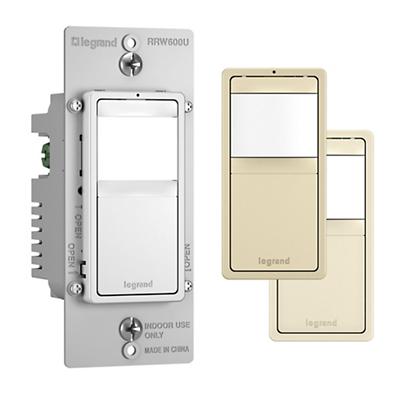
In contemporary architecture, lighting efficiency relies heavily on advanced controls. These systems administer accurate dimming and temperature settings, crucial for energy conservation and occupant comfort. The incorporation of smart dimmers and control panels into home automation systems exemplifies the role of engineering in crafting interactive living environments. Features like remote access enable intuitive and simple ambient setting adjustments, boosting both efficiency and value.
How to Choose the Best Dimmers, Switches & Outlets
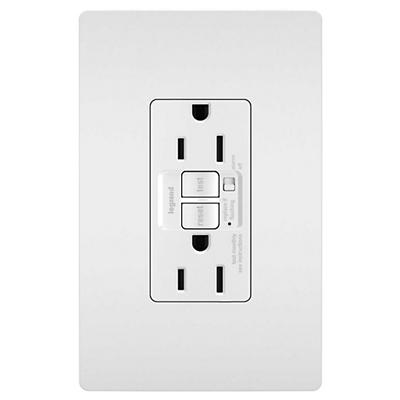
Consider Lutron dimmers for engineering excellence and their widespread compatibility, including decorator-style plates. Depending on the style and age of the house, there may be a few different options of light switch sizes and accessories to choose from. If there is an existing toggle that accommodates multiple lighting controls or even a source of power, there are plenty of 2-gang, 3-gang, and 4-gang options to look through. In the bathroom, kitchen or other locations where water is bound to be present, be sure to check out the assortment of GFCI (Ground Fault Circuit Interrupter) switches and power outlets that can help prevent the occurrence of electrical shock. Consider the need for safety and security to prevent electrical accidents in moisture-prone areas. In order to find a modern light dimmer compatible with your Lutron system, keep in mind that dimmers generally control devices with either incandescent halogen or LED lamping. They are further specialized into standard line voltage or low voltage. Low-voltage dimmers provide essential lighting solutions, especially for flexible track lighting, while LED dimmers smoothly and stably manage LED fixtures. You can find certain types of dimmers and light switches to work with outdoor lighting as well. Finally, for optimal kitchen task lighting, use dimmer controls with under cabinet lights.
Choosing the Right Wall Plates for Dimmer Switches
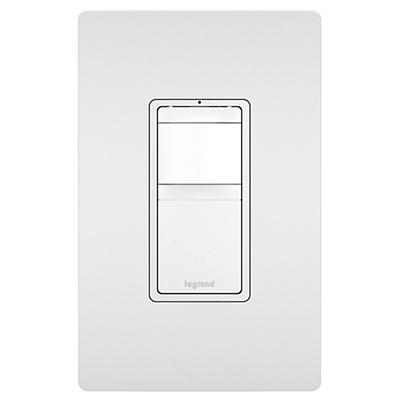
Selecting wall plates for dimmers involves ensuring compatibility with dimming functions and matching the room's design. Wall plates should seamlessly cover outlets and merge with your decor. Superior choices include plates in a white finish, stainless steel for modern tastes, and wood for a rustic charm. Proper selection guarantees that your dimming systems are both functional and aesthetically pleasing, delivering a unified look.
Boosting Energy Efficiency with Dimmers and Controls
Dimmers and controls contribute significantly to energy efficiency by enabling users to adjust brightness for better energy management. Smart dimmers facilitate remote light control and scheduling, maximizing energy usage. This tech-savvy strategy not only cuts energy bills but lengthens bulb lifespan, reducing frequent changes. With options like three-way dimmers and intelligent controls, your home lighting management becomes intuitive and efficient.
Dimmers, Controls & Wall PlatesFrequently Asked Questions
How many watts can a light dimmer handle?
This depends on the dimmer's rating. Many residential dimmers can handle around 600 watts, though some may accommodate 1,000 watts or more. Always verify your fixture's total load (including all bulbs) to ensure it doesn't exceed the dimmer's maximum wattage.
Expert Tip: If using LED bulbs, the wattage capacity of the dimmer is usually lower. Multiply the LED wattage by 10 to estimate the equivalent incandescent load for dimmer compatibility.
What are the two types of dimmer switches?
Typical household dimmer switches are either leading edge or trailing edge (sometimes called forward phase or reverse phase). Leading-edge varieties are perfect for Incandescent bulbs, whereas trailing-edge dimmers serve LED and CFL better. Leading-edge dimmers work well with older incandescent or halogen lamps, while trailing-edge dimmers are generally better suited for modern LED or CFL bulbs. Consider the need for trailing-edge dimmers, especially for modern CFL bulbs.
Expert Tip: Some modern dimmers are "universal" and can handle both types. If you're unsure which type to choose, a universal dimmer provides more flexibility, especially Lutron options known for their engineering excellence.
How much does a dimmer cost?
Prices vary by brand, style, and features. Basic dimmers may start at $10, while more advanced, smart-compatible options can exceed $50. Toggle options can also affect the price, with devices offering advanced features typically costing more.
Expert Tip: Smart dimmers that integrate with home automation systems may cost more upfront but provide long-term energy savings and convenience.
Is there a special dimmer for LED lights?
Yes. Not all dimmers are LED-compatible. LED-compatible or trailing-edge dimmers often include features like low-end trim adjustment, which helps eliminate flicker or buzzing. Check bulb packaging or the dimmer's specifications to ensure compatibility.
Expert Tip: Some LED bulbs are labeled as "dimmable" but may still require specific dimmer models to function properly. Always test compatibility before full installation.
What voltage should a dimmer switch be?
Most residential dimmers in North America are designed for 120V systems, including models from Lutron which offer 0-10V options for specialized applications.
Expert Tip: If installing a dimmer in a multi-location circuit (e.g., three-way switch setup), make sure it's compatible with that configuration.
What are the common problems with tamper-resistant outlets?
Occasionally, users find them slightly stiffer when inserting plugs. This added resistance is due to the internal shutters, which can wear or stick over time. Proper alignment of the plug's prongs generally resolves the issue.
Expert Tip: If plugging in remains difficult, try gently wiggling the plug while maintaining firm pressure to help align the internal shutters.
How to tell if an outlet is tamper resistant?
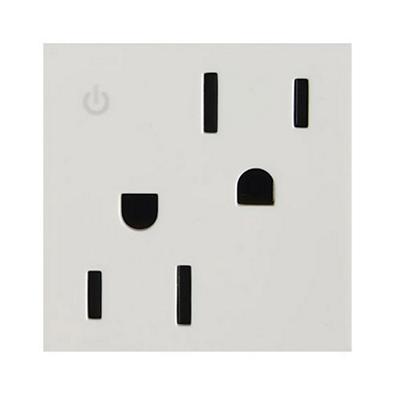
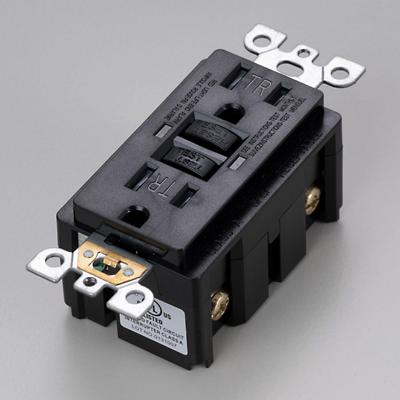
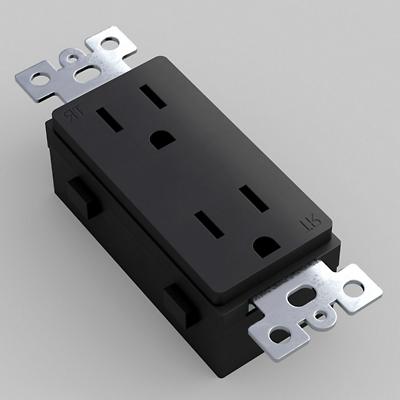
Tamper-resistant receptacles typically feature the letters "TR" etched on the face, usually near the slot openings. They also have internal shutters that prevent objects other than a properly positioned plug from entering.
Expert Tip: If you're unsure, compare with a standard outlet by looking inside the slots—tamper-resistant ones will have visible plastic shutters.
Where do I need tamper-resistant receptacles?
They're typically required in most residential spaces where children could have access—living rooms, bedrooms, play areas, and corridors.
Expert Tip: If installing in an older home, consider upgrading outlets even where not required, as it enhances safety.
Are there different types of dimmer switches?
Yes. Leading-edge (forward phase) dimmers suit older incandescent bulbs, while trailing-edge (reverse phase) dimmers are often recommended for modern LED or CFL lighting.
Expert Tip: Many dimmers today come with adjustable settings that let you fine-tune performance based on bulb type.
What are outlet covers called?
Outlet covers are also known as receptacle covers, wall plates, or switch plates, providing essential protection and aesthetic appeal.
Expert Tip: For a sleek, modern look, choose screwless wall plates that snap into place over the mounting plate.
