Grey Modern Modern Wall-Mounted Hooks & Racks

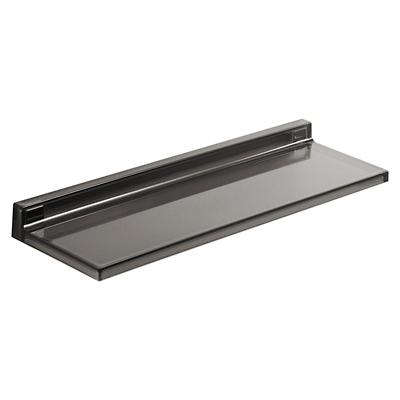


Hooks and Racks Explore
Why We Love Wall Hooks & Racks
Modern wall hooks and wall-mounted racks give you a convenient spot to hang your keys, purse or bag, coat and other clothing items while also adding an attention-getting decoration to your bare walls. You'll love the sleek, stainless steel hooks and racks in this assortment, or if you need a vibrant pop of color in the room, there's a hook or rack for that too. When paired with other contemporary home furnishings, you'll find these decorative wall hooks and racks are the perfect way to round out your interior design.
Where Wall Hooks & Racks Work Best
This collection of hooks and racks find themselves in places of the home needing an extra hand for organizing. That could mean in the entryway acting as stylish coat racks or in the kitchen where you might need to hang pot holders, tools and accessories. These decorative wall hooks are equally welcomed in the bedroom and work to help keep the room free of loose clutter like clothes, bags, etc. You'll especially appreciate these hooks if your closet space is limited. And in commercial locations like business offices and restaurant lobbies, an assortment of good-looking coat racks and wall-mounted hooks help create a warm welcome for your guests.
Hooks & Wall-Mounted Racks For Every Style
Stylish home hardware like the hooks and racks found here have the unique ability to fit in a variety of interior styles ranging from the most traditional homes to those filled with modern decorations. Contemporary spaces benefit from the sleek stainless steel finishes found in the assortment from Blomus. From wall-mounted clothing hangers to a selection of hooks meant to hold onto anything, you'll be sure to enjoy the look of stainless steel in your hardware. Find eye-catching colors in the selection available from Kartell and look to Menu for fun and playful designs you'll love for their noticeable appeal. The right hooks and racks can lend themselves to purely functional use or they can add a bit of dramatic flare to your walls.
Choosing Best Home Storage Hooks & Racks
As an accessory piece of hardware to your home's existing decor, introducing storage hooks and racks is relatively easy. First, identify exactly what kind of hook or rack you need for your space. Is it a large coat rack to pleasantly greet your home's guests by the front door? Or is it a stylish piece of hardware you want to add to the bathroom for its functional utility? Refine your choices by shapes and sizes, paying close attention to dimensions including height, width and length. Some hooks protrude from the wall and you'll need to be certain they are the right fit for your room. Finally, find the colors and finishes that are most representative of your personal aesthetics and your home's color pattern. If you have any questions about the hooks and racks featured here, please call our decor experts at 877.445.4486.
Other Considerations
Loving the exceptional organizing provided by these hooks? Consider spreading more options of storage throughout your home with additional shelving and storage. You'll find everything from statement-making bookshelves and credenzas to highly functional filing cabinets and clothing dressers. One key to a happy home is staying well-organized and the right mix of storage furniture helps you accomplish this. Browse the complete bathroom hardware category for options you may want to add to your vanity and dress up the front porch with any of the available outdoor hardware.
Hooks and RacksFrequently Asked Questions
What are coat racks called?
Coat racks are also commonly known as coat stands, coat trees, or coat hangers. They can be freestanding or mounted to walls and are used to organize coats, hats, scarves, and bags.
Expert Tip: For small entryways, choose a wall-mounted coat rack with fold-down hooks - they provide hanging space when needed but tuck flat against the wall when not in use, saving precious square footage.
What is a towel rack called?
A towel rack can also be referred to as a towel bar, towel rail, or towel holder. While towel racks typically hold towels flat, towel hooks allow towels to hang vertically, saving space in compact bathrooms.
Expert Tip: Install a combination of towel bars and hooks - use the bar for neatly folded "display" towels and hooks for frequently used wet towels. This maintains aesthetics while accommodating practical use.
What can I use instead of a coat hanger?
Instead of a traditional coat hanger, you can use wall hooks, wall-mounted coat racks, or coat trees. Wall hooks offer convenient, space-saving solutions for hanging coats and jackets, particularly in entryways and smaller rooms.
Expert Tip: Use staggered double hooks (one above the other) in entryways - the top hook for coats, bottom for bags/hats. This doubles storage without consuming more wall space.
Are towel hooks a good idea?
Yes, towel hooks are a great idea, especially in small bathrooms or spaces where you need quick and convenient towel storage. They allow towels to dry efficiently and keep them within easy reach. However, towels on hooks dry best if they're hung loosely to allow proper airflow.
Expert Tip: Space hooks at least 8 inches apart and install them at alternating heights - this prevents towel crowding and improves air circulation for faster drying.
Where is the best place to put a towel rack?
The best place to install a towel rack is near showers, bathtubs, or sinks for convenience. Ideally, a towel rack or towel hooks should be mounted within easy reach—about 48 inches from the floor for adult use, ensuring towels are accessible and properly aired out.
Expert Tip: Position towel racks 12-18 inches from shower doors - close enough for easy access but far enough to avoid constant splashing. For double vanities, install two separate racks (one per user).
What lengths do towel racks come in?
Towel racks commonly come in lengths of 18, 24, and 30 inches. Choosing the right length depends on your available wall space and the number of towels you need to accommodate. Shorter racks are perfect for compact bathrooms, while longer towel racks suit larger spaces or multiple towels.
Expert Tip: Allow 4 inches of bar length per standard bath towel (24" rack holds 6 towels when folded in thirds). For beach towels, add 6 inches of extra length.
How far does a towel rod need to be from the floor?
A towel rod should typically be installed about 48 inches above the floor. This height is comfortable for most adults, allowing towels to hang properly without touching the floor. For children's bathrooms, consider mounting towel racks lower, around 36 inches.
Expert Tip: In shared family bathrooms, install two-tiered racks - upper at 48" for adults, lower at 36" for kids. Use different colored towels for easy identification.
How do I keep my towel rack from falling off the wall?
To prevent a towel rack from falling, ensure you use appropriate wall anchors, especially if you're mounting it on drywall or plaster. Anchors provide extra support to handle the weight of wet towels. If possible, install towel racks or towel hooks directly into wall studs for maximum stability.
Expert Tip: For heavy loads, use snap-toggle anchors which distribute weight across drywall. Apply clear silicone caulk around mounting brackets to prevent moisture seepage that can loosen screws over time.
How much weight should a coat rack hold?
A sturdy wall-mounted coat rack should be able to hold between 20 to 30 pounds. The actual weight capacity depends on factors like material, installation method, and wall type. For heavier loads, ensure the coat rack is securely mounted into wall studs or use robust wall anchors.
Expert Tip: Test your coat rack's capacity by gradually adding weight over 24 hours. This allows the wall anchors to settle and reveals any installation weaknesses before overloading.
 Back To Top