Dome Gold Outdoor & Landscape
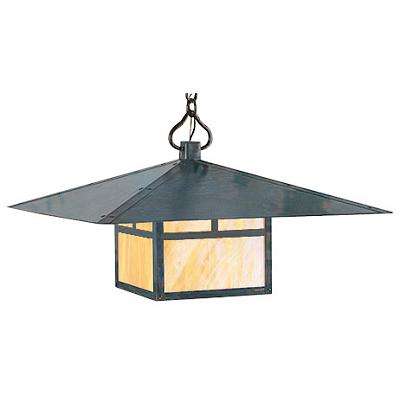
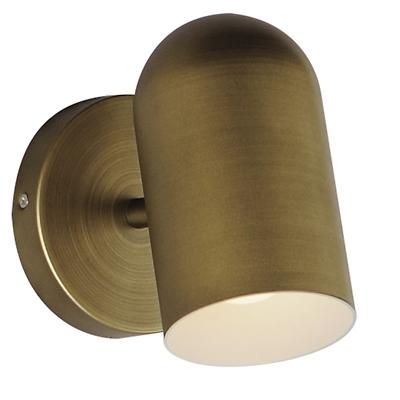
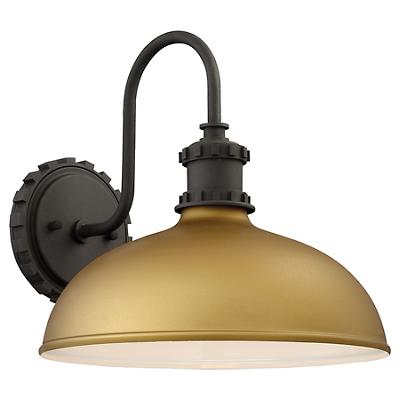
Outdoor & Landscape Explore
Why We Love Outdoor & Landscape Lighting Decor
These days, open and airy living spaces are what people want most in their homes. Considering there is no space more open and airy than your yard, having one that is well-lit, furnished and accessorized effectively--and stylishly--expands your home's livable space. Modern outdoor furniture, patio accessories, outdoor ceiling fans and unique home hardware (i.e. mailboxes, house numbers and illuminated doorbells) make your yard or front porch more comfortable and welcoming. This effect is enhanced by outdoor and landscape lighting, which also grants your home drama, safety, and the ability to enjoy your yard's true beauty after dark. Modern LED bulbs and landscape lighting fixtures can really transform your garden while remaining cost-effective. Landscape lighting, including LED landscape lighting and modern LED bulbs, improves pathways and enhances plant features. Landscape lighting showcases your garden, accents trees, and highlights the architectural features of your land. The right combination of lights ensures all your garden plants are showcased beautifully. By using low voltage LED lights, you can protect the natural beauty of your outdoor space and create a great ambiance for nighttime adventures. 12V options are highly efficient for landscape lighting needs.
Why Understanding Landscape Perception Matters
A landscape is more than just an outdoor area; it's a dynamic space where nature and human artistry meet to form an aesthetically pleasing and ecologically balanced environment. The perception of landscape involves harmonizing natural elements like trees and plants with human-enhanced features like gardens and landscape lighting, including low voltage options. Functional aspects such as path lights and spotlights not only beautify but also improve safety, allowing for extended use of outdoor areas into the evening. Adding voltage landscape lighting can extend the usability of your space. By strategically planning outdoor lighting, you can create a secure and inviting environment, blending functionality and art.
Where Outdoor & Landscape Decor Works Best
Outdoor lighting fixtures include porch wall sconces, outdoor pendant lighting, and path lights that are tethered to the land or very close to a home. These decorative elements are designed to enhance its exterior design style. Low voltage options, including 12V pathway lights and path light kits, provide safe and efficient lighting solutions. Meanwhile, landscape lighting fixtures, often including low voltage LED options, are installed in inconspicuous locations throughout a landscape. These lights focus on highlighting plants, ensuring safe pathway lighting, and creating an aesthetic landscape architecture. Look for fixtures that offer adjustable finishes to match your outdoor decor, enhancing the overall look. And finally, both front porches and back patios benefit from the personalized touches of outdoor furniture, ceiling fans and the fun patio accessories that go with them.
Enhancing Outdoor Adventures for Everyone
Creating inclusive outdoor adventures starts with recognizing and addressing diverse needs. Incorporating ceiling lights can brighten up these communal areas. This involves planning for accessible pathways, inclusive gear, and considering varied physical abilities. Outdoor lighting plays a crucial role, as proper illumination makes spaces safer and more inviting, encouraging broader participation. LED lights are particularly effective in providing free, wide-spanning illumination. By applying universal design principles and appreciating each landscape's unique qualities, you can develop welcoming environments for all.
Outdoor & Landscape Decor for Every Style
In any style of exterior, you're guaranteed to find a variety of lighting, fans, furniture and accessories that will noticeably dress up the space. Spotlights or post lights can be used creatively to highlight garden art or plants. Outdoor living designs focus on the ability to be durable, often waterproof or water-resistant and of course, stylish. Consider using adjustable path lights for both style and safety. Lighting, whether for the porch or the backyard, offers choices from traditional colors and finishes to modern, stainless steel designs. The range often includes black and brass finishes that align with your architectural and landscape design, enhancing any space. You'll also find plenty of energy efficient LED fixtures too. The collection of outdoor furniture includes well-designed and often well-recognized products from names like Kartell and Vondom. These selections can transform any garden or outdoor area into an inviting room of your home. Integrating a mix of spotlights and pendants ensures ample light and style. And the assortment of outdoor ceiling fans are offered in a number of sizes to accommodate almost any patio space, including wet and damp rated designs from Minka Aire and Fanimation. Lastly, you can't forget about the accessories -- doormats, planters, torches and other items for summer nights spent in the backyard with friends.
The Importance of Reliable Outdoor Gear
Reliable outdoor gear is fundamental to crafting safe and enjoyable outdoor spaces for both families and individuals. Using durable, weather-resistant materials in fixtures like flood lights and pathway lights effectively illuminate boundaries and highlight hazards, especially in low-light conditions. Brands offering sustainable and dependable lighting solutions, such as LED pathway lights, can significantly boost safety and design. Whether for camping trips or home setups, having the right equipment ensures everyone can safely relish the outdoor environment.
Choosing the Best Outdoor & Landscape Lighting Decor
The first thing to consider with any exterior decorating is the purpose of the light fixture, fan or piece of furniture. Great lighting not only enhances the aesthetic appeal but also adds functionality to outdoor rooms. Think about how different lighting types, including ceiling and flood lights, meet your functional requirements. If you plan to do a lot of dining outdoors, you'll need a patio dining set. A low voltage landscape lighting kit might come handy for any size project. Likewise, if you want a bright porch to welcome guests into your home, you'll need the right combination of an outdoor wall light and flush mounts. Using a combination of spot lights and walkaway lights can optimize the light distribution effectively. Once you determine the purpose of your outdoor living products, you can then refine your choices to find the perfect assortment for your space. If you have any questions about the outdoor lighting, landscape lighting or outdoor living featured here, please call our experts at 877.445.4486.
Other Considerations
Many of the fixtures available in deck lighting adds a noticeable look to your lighting scheme while also providing an element of safety in the space. Deck lights can also be used indoors as a form of hallway lighting. Entertaining outside? We have all of the trays, glasses, bowls, carafes and anything else that you may need for your next outdoor entertaining party. You'll also find a unique offering of grill lights that will assist you with any family barbecue or occasional dinner party.
Outdoor & Landscape Lighting FAQs
What is the best type of outdoor lighting for a yard or garden?
Outdoor lighting depends on the effect you want to create. Path lights provide safe navigation, while spotlights and uplights highlight trees, architecture, or focal landscaping. Layering multiple fixture types helps create a balanced, inviting outdoor environment.
Expert Tip: Start with key areas like walkways and entry points, then add accent lighting to showcase landscaping features without overwhelming the space.
What’s the difference between landscape lighting and outdoor lighting?
Outdoor lighting is a broad category that includes fixtures for patios, porches, and exterior walls. Landscape lighting is more focused on illuminating natural elements—such as gardens, pathways, trees, and stonework—to enhance the overall outdoor setting.
Expert Tip: Landscape lighting works best when it feels subtle—aim for gentle highlights rather than overly bright illumination.
Are LED lights best for outdoor and landscape lighting?
Yes. LED lighting is widely preferred outdoors because it’s energy-efficient, long-lasting, and available in a range of color temperatures. LEDs also perform well in changing weather conditions and require less frequent replacement.
Expert Tip: Choose warm or neutral LEDs for outdoor spaces to maintain a welcoming glow rather than a harsh, overly cool effect.
How do I choose the right outdoor lighting for my home?
Consider your goals first: safety, ambiance, or architectural emphasis. Entryways benefit from consistent illumination, while gardens and patios often look best with softer accent lighting. Fixture placement and scale should complement your home’s exterior design.
Expert Tip: Outdoor lighting should feel intentional, not excessive—well-placed fixtures create elegance through restraint.
What is low-voltage landscape lighting, and is it worth it?
Low-voltage landscape lighting uses a transformer to reduce electrical output, making it a popular choice for gardens, paths, and accent lighting. It’s efficient, versatile, and often easier to install than line-voltage systems.
Expert Tip: Low-voltage setups are ideal for creating layered lighting effects across larger outdoor areas with minimal visual disruption.
How bright should outdoor landscape lighting be?
Outdoor lighting should provide enough visibility without creating glare. Path and garden lights typically require softer brightness, while security or entry lighting may need stronger output. Balance is key for both comfort and design.
Expert Tip: Focus on lighting surfaces and features—not flooding the entire yard with brightness.
Can outdoor lighting fixtures be left outside year-round?
Most outdoor fixtures are designed for permanent installation, but durability depends on the fixture’s weather rating. Look for options rated for wet locations if they will be exposed directly to rain or snow.
Expert Tip: Coastal or humid environments benefit from corrosion-resistant finishes for long-term performance.
What is the difference between wet-rated and damp-rated outdoor lighting?
Wet-rated fixtures are designed for direct exposure to rain, irrigation, or snow. Damp-rated fixtures are suitable for covered outdoor areas where moisture is present but not in direct contact with the fixture.
Expert Tip: When in doubt, wet-rated fixtures provide the most flexibility for exterior placement.
Where should landscape lights be placed for the best effect?
Landscape lighting is most effective when it guides movement and highlights natural focal points. Common placements include along pathways, near steps, around patios, and at the base of trees or architectural features.
Expert Tip: Use lighting to create depth—illuminating both foreground and background elements adds dimension to outdoor spaces.
Does outdoor lighting increase home value and curb appeal?
Thoughtfully designed outdoor lighting can enhance curb appeal, improve safety, and extend the usability of outdoor spaces after dark—all of which contribute to a more polished exterior presence.
Expert Tip: A well-lit exterior feels more welcoming and intentional, especially when lighting is layered rather than overly bright.
Outdoor & LandscapeFrequently Asked Questions
What is the best type of outdoor lighting for a yard or garden?
Outdoor lighting depends on the effect you want to create. Path lights provide safe navigation, while spotlights and uplights highlight trees, architecture, or focal landscaping. Layering multiple fixture types helps create a balanced, inviting outdoor environment.
Expert Tip: Start with key areas like walkways and entry points, then add accent lighting to showcase landscaping features without overwhelming the space.
What’s the difference between landscape lighting and outdoor lighting?
Outdoor lighting is a broad category that includes fixtures for patios, porches, and exterior walls. Landscape lighting is more focused on illuminating natural elements—such as gardens, pathways, trees, and stonework—to enhance the overall outdoor setting.
Expert Tip: Landscape lighting works best when it feels subtle—aim for gentle highlights rather than overly bright illumination.
Are LED lights best for outdoor and landscape lighting?
Yes. LED lighting is widely preferred outdoors because it’s energy-efficient, long-lasting, and available in a range of color temperatures. LEDs also perform well in changing weather conditions and require less frequent replacement.
Expert Tip: Choose warm or neutral LEDs for outdoor spaces to maintain a welcoming glow rather than a harsh, overly cool effect.
How do I choose the right outdoor lighting for my home?
Consider your goals first: safety, ambiance, or architectural emphasis. Entryways benefit from consistent illumination, while gardens and patios often look best with softer accent lighting. Fixture placement and scale should complement your home’s exterior design.
Expert Tip: Outdoor lighting should feel intentional, not excessive—well-placed fixtures create elegance through restraint.
What is low-voltage landscape lighting, and is it worth it?
Low-voltage landscape lighting uses a transformer to reduce electrical output, making it a popular choice for gardens, paths, and accent lighting. It’s efficient, versatile, and often easier to install than line-voltage systems.
Expert Tip: Low-voltage setups are ideal for creating layered lighting effects across larger outdoor areas with minimal visual disruption.
How bright should outdoor landscape lighting be?
Outdoor lighting should provide enough visibility without creating glare. Path and garden lights typically require softer brightness, while security or entry lighting may need stronger output. Balance is key for both comfort and design.
Expert Tip: Focus on lighting surfaces and features—not flooding the entire yard with brightness.
Can outdoor lighting fixtures be left outside year-round?
Most outdoor fixtures are designed for permanent installation, but durability depends on the fixture’s weather rating. Look for options rated for wet locations if they will be exposed directly to rain or snow.
Expert Tip: Coastal or humid environments benefit from corrosion-resistant finishes for long-term performance.
What is the difference between wet-rated and damp-rated outdoor lighting?
Wet-rated fixtures are designed for direct exposure to rain, irrigation, or snow. Damp-rated fixtures are suitable for covered outdoor areas where moisture is present but not in direct contact with the fixture.
Expert Tip: When in doubt, wet-rated fixtures provide the most flexibility for exterior placement.
Where should landscape lights be placed for the best effect?
Landscape lighting is most effective when it guides movement and highlights natural focal points. Common placements include along pathways, near steps, around patios, and at the base of trees or architectural features.
Expert Tip: Use lighting to create depth—illuminating both foreground and background elements adds dimension to outdoor spaces.
Does outdoor lighting increase home value and curb appeal?
Thoughtfully designed outdoor lighting can enhance curb appeal, improve safety, and extend the usability of outdoor spaces after dark—all of which contribute to a more polished exterior presence.
Expert Tip: A well-lit exterior feels more welcoming and intentional, especially when lighting is layered rather than overly bright.
