Kitchen Island Lighting
You're currently browsing in offline mode
The kitchen has evolved far beyond its utilitarian origins to become the true centerpiece of the modern home—a multifunctional space where cooking, dining, entertaining, and family gatherings seamlessly blend. Thoughtful kitchen lighting transforms this essential room from merely functional to truly extraordinary, creating an environment that adapts to your every need throughout the day.
Professional designers approach kitchen lighting as a sophisticated system rather than a single solution. Understanding the layered approach to kitchen light fixtures will dramatically enhance both the functionality and atmosphere of your space.
Task lighting provides focused illumination for specific work zones, ensuring safety and comfort during food preparation. Well-executed task lighting should:
The most effective kitchen task lighting comes from under-cabinet LED strips, strategically placed recessed lights, and adjustable fixtures that direct light precisely where needed.
Ambient lighting establishes the overall illumination level in your kitchen, replacing shadows with an even glow that makes the space navigable and welcoming. This foundational layer typically comes from:
The ideal ambient lighting solution provides consistent brightness without harsh shadows or excessive glare, creating a comfortable environment for both cooking and casual interaction.
Accent lighting introduces visual interest and depth to your kitchen, highlighting architectural features and adding sophistication to the overall design:
This third layer transforms a well-lit kitchen into a thoughtfully designed space with visual depth and character that changes the perception of the room.
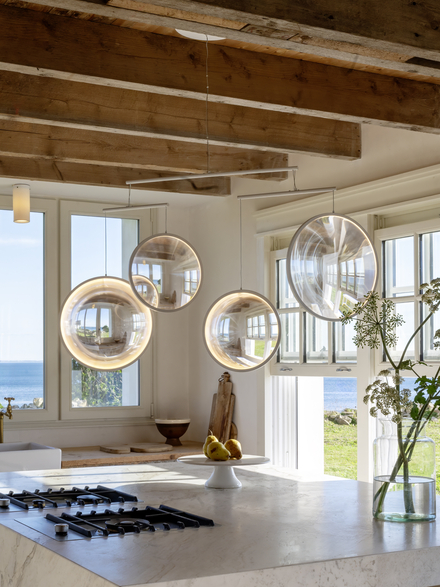
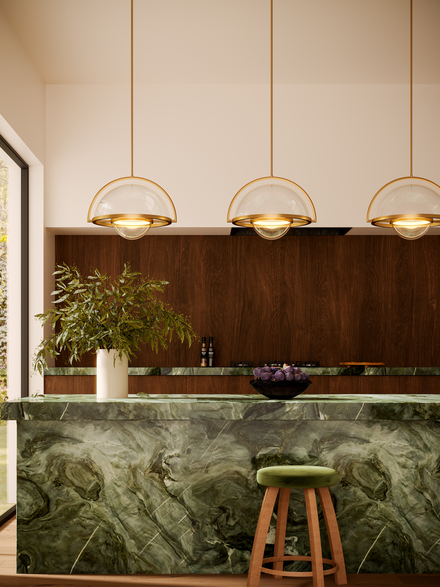
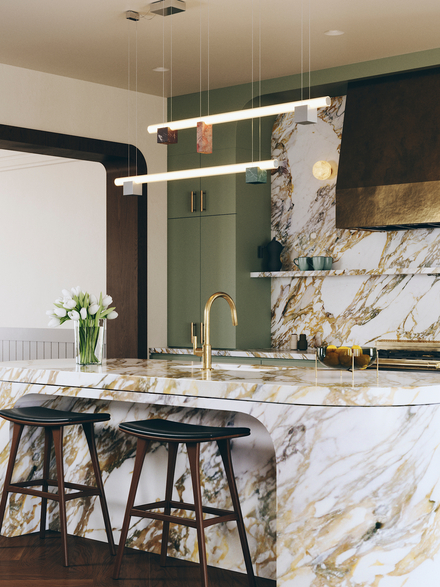
Perhaps no kitchen lighting element makes as powerful a design statement as pendant lighting. These suspended fixtures have revolutionized kitchen design by:
The most successful kitchen pendant lighting installations create harmony between function and aesthetics.
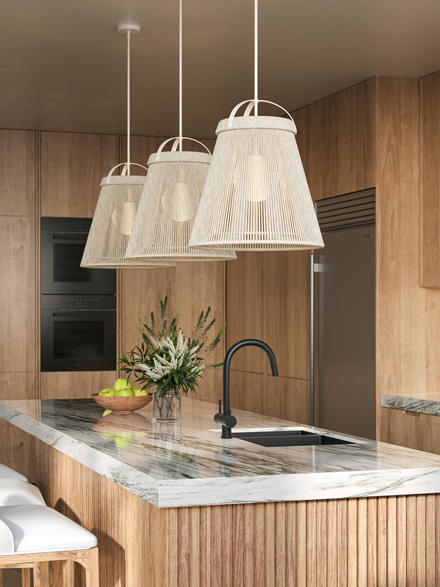
Kitchen islands serve multiple roles. Effective island lighting should:
Linear pendant arrangements suit rectangular islands, while chandeliers or clustered pendants work well for square layouts.
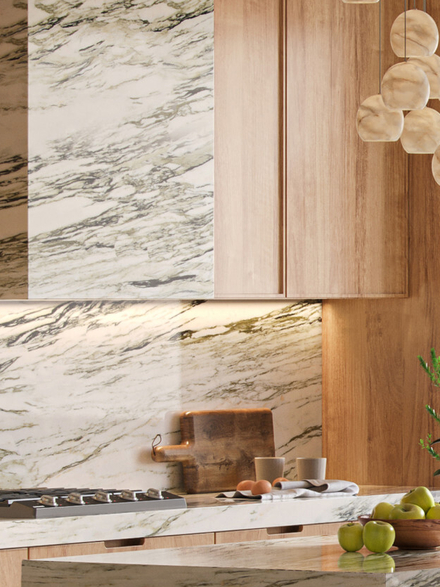
The area between upper cabinets and countertops is a key task zone:
Under-cabinet lighting should disappear into the design—its effect should be seen, not the fixture itself.
In kitchens with integrated dining zones, lighting plays a zoning role:
Clear visual separation enhances both function and mood without breaking design flow.
Many fixtures now offer adjustable temperature settings to shift with your daily rhythms.
Energy-efficient lighting pays off quickly while enhancing your kitchen’s versatility.
Modern lighting control enhances functionality and personalization without complexity.
Lighting design goes beyond selecting fixtures. Consider these planning tips:
Smart kitchen lighting starts with how you live and move through the space. Whether you’re renovating or refreshing, the right fixtures and plan will help your kitchen shine in every sense.
Styles range from ornate crystal chandeliers, ideal for traditional settings, to sleek linear and globe designs for contemporary spaces. Drum chandeliers provide soft, diffused light, while rustic or industrial versions add character through mixed materials like wood and metal.
Expert Tip: When choosing a chandelier, consider the scale of your kitchen. Large open-concept spaces can accommodate statement pieces, while smaller kitchens benefit from compact, multi-light fixtures that distribute light evenly.
Prices vary significantly based on design, size, and materials. Simple chandeliers can start around $100–$300, whereas high-end or artisan-crafted models can run into the thousands. Budget accordingly and consider the fixture’s impact on the overall space.
Expert Tip: While price is a factor, consider long-term value. High-quality materials and LED compatibility can reduce maintenance and energy costs over time.
A general rule is to add the room’s length and width in feet and convert that sum to inches for the chandelier’s diameter. For instance, a 12 x 12-foot kitchen (total of 24) suggests a fixture around 24 inches wide, adjusting for style and ceiling height.
Expert Tip: In addition to size, think about the fixture’s light output (lumens). A properly sized chandelier should provide both style and functionality, ensuring sufficient brightness for meal prep and dining.
Common materials include metal, crystal, glass, and sometimes wood or fabric shades. The choice depends on design preference and the level of formality you wish to achieve.
Expert Tip: For kitchens, opt for durable, easy-to-clean materials like metal and glass. Avoid intricate crystal designs if your kitchen experiences a lot of humidity and grease, as they require more frequent cleaning.
Coordinate with existing kitchen finishes—cabinets, hardware, and appliances. Neutral metallics (chrome, brushed nickel, or bronze) are versatile, while a bold pop of color can serve as a statement piece in a contemporary setting.
Expert Tip: If your kitchen has a monochrome or neutral palette, use a chandelier’s finish to add contrast—black fixtures in light spaces or brass in darker kitchens can create a striking focal point.
Above a kitchen island or table, the bottom of the chandelier typically sits 30 to 36 inches from the surface. If hung in an open area, aim to keep at least 7 feet of clearance from the floor to avoid obstructing foot traffic.
Expert Tip: If your kitchen ceiling is higher than 9 feet, consider raising the chandelier slightly or choosing a fixture with adjustable chain or rod length to maintain proper proportion.
Round or drum-style chandeliers often echo the table’s shape. However, a cluster of multiple mini pendants or a single geometric fixture can also create an appealing contrast.
Expert Tip: A round table pairs well with circular or tiered chandeliers for visual harmony. If you prefer contrast, a rectangular fixture or a linear chandelier with multiple light sources can add an interesting dynamic.
Installation fees typically range from $150–$600, depending on fixture complexity, electrical requirements, and local labor rates. Larger or multi-tiered chandeliers may require extra time and specialized assistance.
Expert Tip: If your ceiling lacks existing wiring, expect to pay additional costs for electrical work. For heavy fixtures, ensure your ceiling box is rated to support the weight.
In most cases, yes—if you use dimmable bulbs and a compatible dimmer switch. Verify with the fixture’s specifications and consult an electrician if you’re unsure about wattage or wiring requirements.
Expert Tip: Not all chandeliers come with dimmable components. Check for LED-compatible dimmers and always use bulbs rated for dimming to prevent flickering or performance issues
Modern kitchens often showcase a blend of functional and decorative fixtures, emphasizing minimalist pendant lighting, streamlined chandeliers, and versatile LED solutions. Statement pieces and mixed materials (like metal and glass) are especially popular.
Expert Tip: Smart lighting options, such as voice-controlled dimming and color-temperature adjustments, are growing in popularity, allowing you to switch between warm ambient light and cool task lighting seamlessly.
A common guideline is to hang pendants so their bottom edges are about 30 to 36 inches above the kitchen island or table. Space multiple pendants evenly and consider dimmer switches to adapt brightness for different tasks and moods.
Expert Tip: For a balanced look, space multiple pendants about 24 to 30 inches apart over an island. Use an odd number of pendants (typically three) for the most visually appealing arrangement.
Chandeliers vary widely, from classic crystal and tiered fixtures to modern linear designs, drum-style models, and minimalist globe forms. Select one that complements your kitchen’s decor and size requirements.
Expert Tip: Consider the lighting direction when selecting a chandelier. Fixtures with exposed bulbs or open designs provide brighter illumination, while drum or shaded styles create a softer, diffused glow.
Layered lighting works best: an overhead fixture or chandelier for general illumination, under-cabinet and recessed lights for task lighting, and pendants or decorative sconces to accent key areas and enhance ambiance.
Expert Tip: Kitchens benefit from a mix of lighting sources. Choose adjustable or directional fixtures that allow you to change the focus depending on the time of day and activity.
Aim for around 300 to 400 lumens per square meter (or 30 to 40 lumens per square foot). This ensures sufficient brightness for cooking and food prep while allowing for optional dimming or accent lighting for more relaxed settings.
Expert Tip: Use a mix of ambient (overhead), task (under-cabinet), and accent lighting. For general lighting, aim for 3,000K to 4,000K color temperature to maintain a bright yet inviting atmosphere.
 Back To Top