Mailboxes, House Numbers & Doorbells

Mailboxes, Doorbells & Address Plaques Explore
House Numbers and Doorbells: A Must-Have for Every Home
Create that perfect first impression with modern front porch hardware. This collection of well-designed hardware includes colorful hardwired doorbells, metallic house numbers and address plaques, as well as statement-making mailboxes the mail carrier will appreciate. The right combination of hardware and lighting on the front porch creates an inviting presence, happily welcoming guests into your home. Start your impression with doorbells, mailboxes and address plaques.
Enhance Your Curb Appeal with Illuminated House Numbers and Doorbells
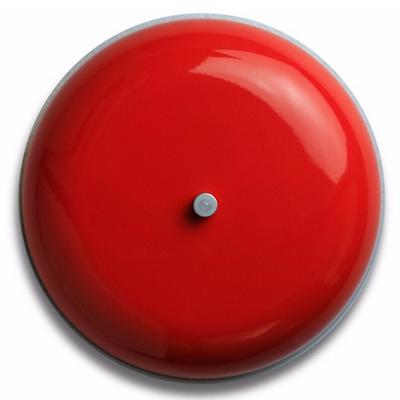
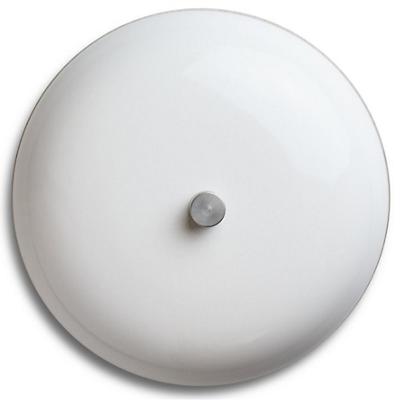
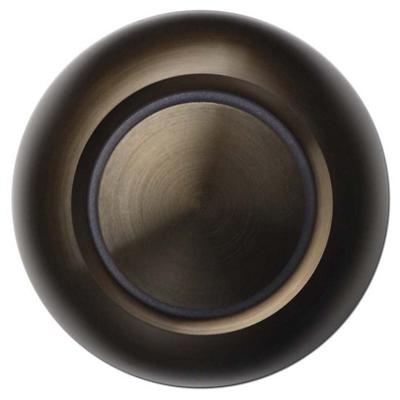
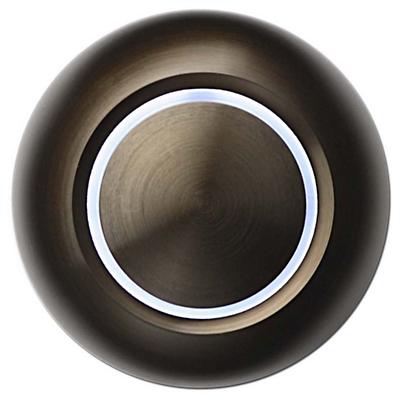
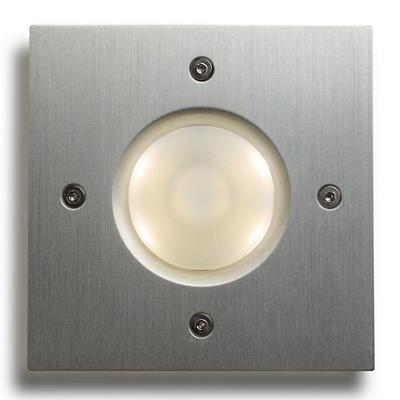
Doorbells and chimes are just another way to accent the outside of the home with color and contemporary style. Square or round, bright or subtle, these guys know how to properly announce your friends and family--with distinction. Modern doorbells are one of those extra little details that really make a house into your home, and door chimes offer a layer of melodic harmony for designer charm. It goes without saying that doorbells and chimes are best by the front door (unless you're really controlling over who comes into your room unannounced), but there are a few reasons beyond the obvious that make these modern doorbells particularly useful. Many feature LED lights in them, making your door distinct and easy to find in the dark. And these great designs can often be added to existing systems in new and remodeled homes as well.
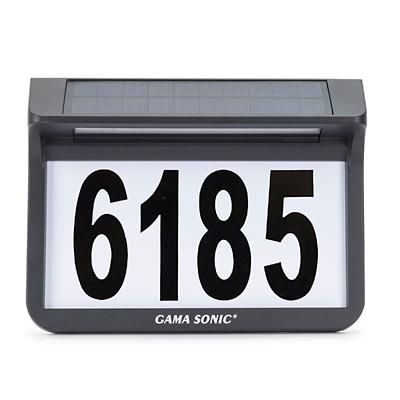
Finally, allow your home to announce its presence in the neighborhood with a selection of decorative house numbers. These unique illuminated house numbers are offered in 3D variations, sleek stainless steel designs and colorful options, all in modern fonts to play into the contemporary scheme of your home. They will quickly identify your home to friends and family, while also quickly announcing your choice of aesthetics.
How to Choose a Doorbell or House Numbers
Before you can properly dress up your front porch, you'll need to figure out what might be missing from the area. Start by assessing the current color palette of your porch. If it's full of color, it will happily welcome colorful LED doorbells. Pay careful attention to the size of the doorbell or mailbox you'll be replacing and take out the measuring tape if you need to. And if you're thinking about adding house numbers, be sure there is a place where you can mount them to the wall. If you have any questions about the modern doorbells, mailboxes and house numbers featured here, please call our home décor experts at 877.445.4486.
Other Considerations for Your Porch or Exterior Entryway
Finish the "face" of your home with a welcoming outdoor wall sconce. The proper wall sconce will further extend the welcoming hand of your front porch and will pair well with sleek, modern hardware. Or consider a porch chandelier to really make a statement for your outdoor entryway. Help keep the elements relegated to the front porch with a well-chosen doormat too. Finally, look to the selection of post lights to create a warm welcome before your guests even reach the front steps.
Mailboxes, Doorbells & Address PlaquesFrequently Asked Questions
What is the best type of mailbox to get?
Metal mailboxes, particularly those made from stainless steel, aluminum, or galvanized steel, are durable and weather-resistant, making them one of the best options for long-term use. Look for locking features if security is a concern.
Expert Tip: Stainless steel with a brushed finish resists fingerprints better than polished metal. For coastal areas, choose marine-grade aluminum (5052 alloy) which withstands salt corrosion 3x longer than standard grades.
What are the three types of doorbells?
The three main types of doorbells are wired, wireless, and smart. Wired doorbells connect to your home’s electrical system, wireless models operate via battery and radio signals, and smart doorbells connect to Wi-Fi for video, two-way audio, and remote access.
Expert Tip: Wireless doorbells using DECT 6.0 technology avoid interference from Wi-Fi networks. For historic homes, low-voltage wired systems can be retrofitted without damaging moldings using ultra-thin 22-gauge wires.
Where do you put an address plaque on a house?
Address plaques are traditionally placed to the right of the front door, near eye level, so they’re easy to read from the street or sidewalk. Placement on a mailbox post or above the garage is also common for added visibility.
Expert Tip: Install plaques on surfaces receiving afternoon sun - shadows from overhangs make morning-lit numbers harder to read. For night visibility, position within 3 feet of exterior lights.
What is the best size for house numbers?
House numbers should be at least four to six inches tall to ensure visibility from the street. The further your home sits back from the curb, the larger your house numbers should be.
Expert Tip: The 4-6" rule assumes 30mph street speeds. For 45mph zones, add 1" per 10mph - 7" numbers become critical for emergency vehicle visibility at higher speeds.
What is the difference between a doorbell and a chime?
The doorbell refers to the exterior button guests press, while the chime is the component inside your home that produces the sound alerting you to their presence. In wireless and smart systems, these components communicate via signals or Wi-Fi.
Expert Tip: Mechanical chimes (like Nutone's 16-note systems) work during power outages when smart chimes fail. Keep transformer voltage under 16V to prevent "buzzing" in older systems.
What are the different types of mailboxes?
Mailboxes come in wall-mounted, post-mounted, and column-mounted styles. Wall-mounted mailboxes are ideal for homes with minimal front yard space, while post-mounted versions suit homes with traditional front lawns. Column-mounted mailboxes offer a more architectural and permanent solution.
Expert Tip: Column-mounted boxes require poured concrete foundations below frost line (36" deep in northern climates) to prevent heaving. Wall-mounted models need stainless steel anchors in brick mortar joints, not brick itself.
What is the average price of a letter box?
The price of a mailbox can range from $30 to over $300 depending on the material, design, and security features. Custom designs or those with locking mechanisms typically cost more.
Expert Tip: USPS-approved locking mailboxes (like the Gibraltar model) deter theft but require carrier keys - check local post office approval before purchasing high-security models.
What is the best color for a mailbox?
Classic colors like black, bronze, and white are timeless and widely accepted. However, your mailbox color should complement your home’s exterior for visual cohesion. In some neighborhoods, HOA guidelines may also influence your color choice.
Expert Tip: Dark colors fade slower but show dirt. Light grays hide dust best. For high visibility, use a 70% contrast ratio between numbers and background (black on yellow scores highest in vision studies).
How do you address a letter box?
To address a mailbox clearly, use bold, weather-resistant numbers or decals. Place the address number on the front and/or side of the mailbox for easy viewing by mail carriers and guests.
Expert Tip: Apply numbers with 3M Scotchcal vinyl (5+ year outdoor rating) instead of paint. For rural boxes, add reflective tape borders - EMS responders report 22% faster identification at night.
What is the best material for a letter box?
Metal mailboxes made of stainless steel or aluminum offer excellent durability and resistance to rust and corrosion. Some homeowners also opt for heavy-duty plastic or composite materials, which can withstand harsh weather conditions.
Expert Tip: Heavy-gauge steel (14-gauge or thicker) withstands baseball bat impacts better than aluminum. Plastic boxes with UV stabilizers (like King Plastic's Starboard) outperform cheaper ABS in desert climates.
What is the standard height of a letter box?
For post-mounted mailboxes, the USPS recommends that the bottom of the mailbox be positioned 41 to 45 inches from the road surface, with the mailbox door 6 to 8 inches back from the curb.
Expert Tip: In snowy regions, raise boxes to 48" to avoid plow damage. The 6-8" setback rule prevents car mirror strikes - use a tennis ball on string to test clearance before permanent installation.
What companies make mailboxes?
Reputable mailbox brands include Architectural Mailboxes, Blomus, Modern Solutions, and Gaines Manufacturing, offering everything from minimalist to decorative styles for modern homes.
Expert Tip: Architectural Mailboxes' 304 stainless models meet USPS "M-581" standards for parcel capacity. For custom designs, Gaines Manufacturing offers cast aluminum that won't dent like steel during hail storms.