Ceiling Fans with Lights
Your Cart (0 items):
Sign in to see items you may have added or saved during a previous visit.
Sign InSearching for the right ceiling fan is a breeze. Read our how-to guide for expert tips, inspiration, and helpful advice to discover the just-right fan for your space.
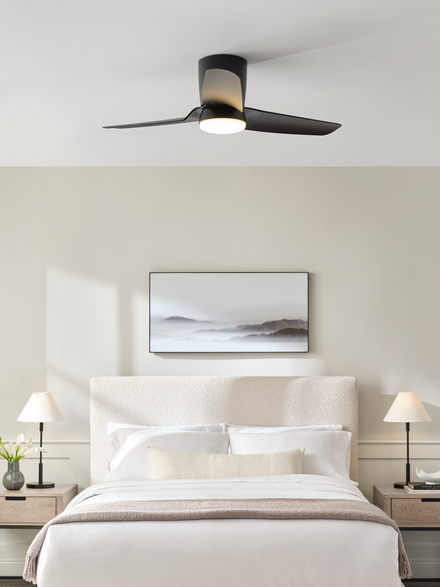
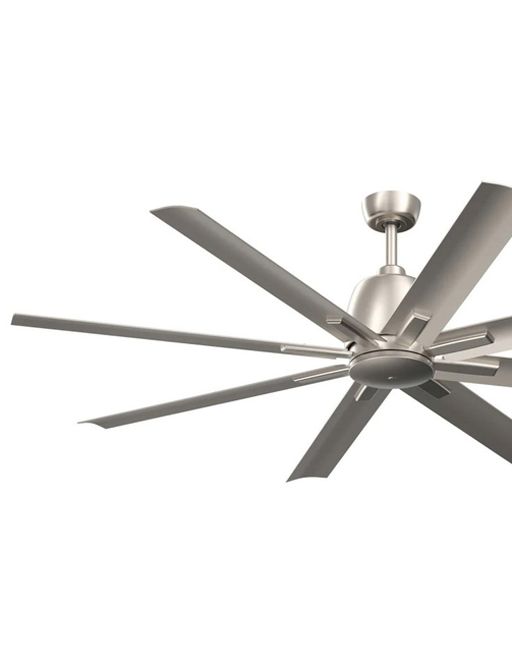
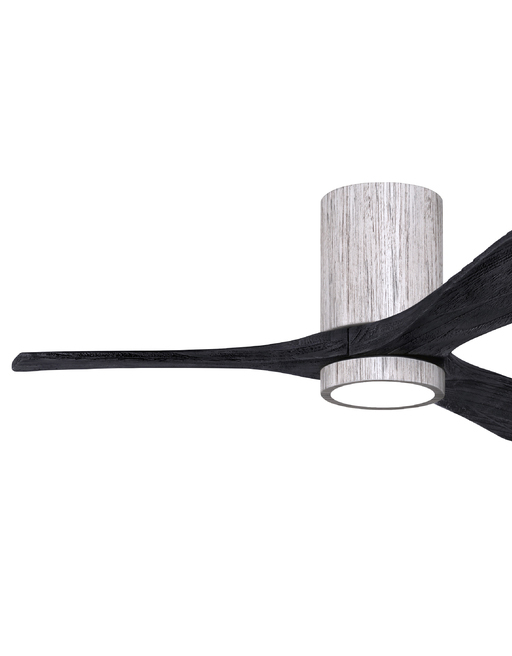
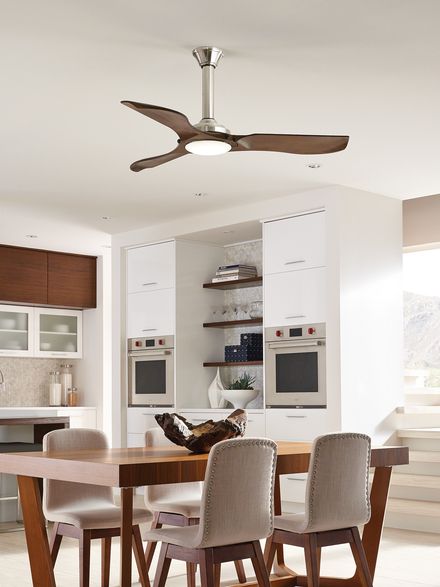
Modern ceiling fans transcend basic utility, becoming architectural statements that unite form with function. Today's designs marry precision engineering with refined aesthetics—from minimalist flush mount ceiling fans to dramatic statement pieces with integrated LED lighting. Whether you're seeking smart ceiling fans with app control or sleek outdoor ceiling fans for covered patios, our curated collection delivers powerful airflow without compromising design integrity. Each piece reflects our commitment to technical excellence and visual sophistication, offering solutions for every room size, ceiling height, and aesthetic preference.
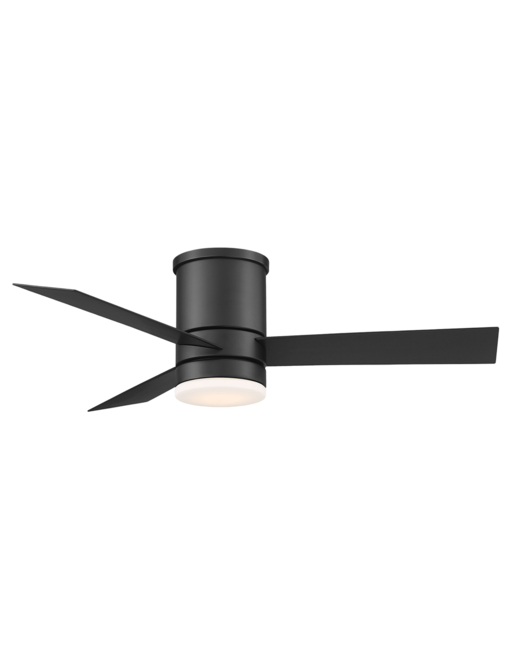
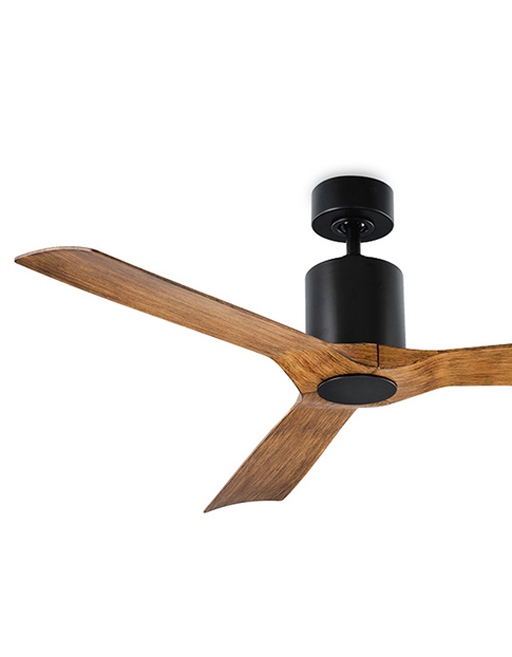
Modern ceiling fans distinguish themselves through clean lines, innovative materials, and refined proportions. Unlike traditional designs with ornate blade brackets and decorative housings, contemporary fans emphasize geometric simplicity and functional beauty. Expect streamlined motor housings in matte black, brushed nickel, or white finishes, paired with blades in materials ranging from precision-molded ABS to natural wood veneers and metal composites.
Key modern design characteristics:
The Modern Forms Axis and Visual Comfort Fan collections exemplify this aesthetic, delivering CFM ratings that rival traditional fans while maintaining architectural restraint.
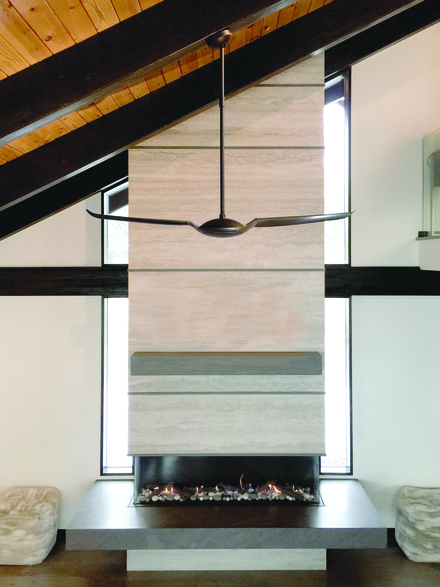
Modern ceiling fans adapt to diverse design narratives, from industrial lofts to minimalist bedrooms and transitional living spaces. Industrial modern fans feature exposed motor housings, metal blade materials, and Edison-style bulb arrays—perfect for open-concept spaces with concrete or exposed brick. Minimalist designs like the Modern Fan Co. IC/Air series offer blade-free aesthetics using cylindrical housings that disappear into contemporary ceilings.
Transitional modern options bridge traditional warmth with contemporary simplicity through natural wood blades paired with brushed metal finishes. For coastal and farmhouse-inspired interiors, look for weathered wood finishes combined with matte white or galvanized metal housings. Smart ceiling fans with remote control and scheduling features integrate seamlessly across all style categories, offering precision climate control through intuitive interfaces.
Blade materials dramatically impact both performance and aesthetic. ABS polymer blades deliver optimal rigidity-to-weight ratios for efficient airflow while resisting warping in humid environments—ideal for bathrooms and coastal outdoor installations. Solid wood and wood veneer blades bring organic warmth to modern interiors, though they require damp-rated or indoor-only placement depending on construction.
Metal blades—aluminum, steel, or composite alloys—offer industrial character with exceptional durability for high-traffic commercial applications. Motor housing finishes range from powder-coated matte black and white to brushed nickel, aged brass, and carbon fiber textures. For wet-rated outdoor ceiling fans exposed to direct weather, prioritize marine-grade finishes and sealed motor housings that withstand salt air and precipitation.
Proper fan sizing ensures optimal airflow and visual proportion. For a 12x15 bedroom (180 sq ft), select fans with 44-52 inch blade spans delivering 4,000-6,000 CFM. Living rooms up to 400 sq ft require 52-60 inch models with 6,000-9,000 CFM ratings. In great rooms exceeding 400 sq ft, consider multiple fans or large outdoor ceiling fans with 60+ inch spans generating 9,000+ CFM.
Ceiling height determines mounting approach:
Blade pitch (12-15 degrees) and motor power matter more than blade count—DC motors with fewer blades often outperform AC motors with more blades while operating quieter.
Modern ceiling fans with lights integrate sophisticated control systems beyond pull chains. WiFi-enabled smart fans connect to home automation platforms, allowing schedule programming, remote speed adjustment, and voice control through Alexa or Google Assistant. The Visual Comfort Fan Drape and Modern Forms collections offer dedicated apps with seasonal direction reversal, sleep timers, and adaptive comfort modes.
Control options include:
DC motor technology reduces energy consumption by 70% compared to AC motors while delivering variable speed control and reverse functionality for year-round use—clockwise rotation in winter distributes rising heat, counterclockwise creates cooling downdraft in summer.
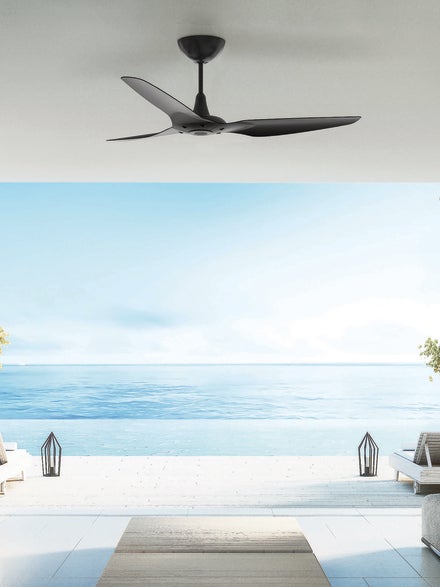
Outdoor ceiling fans require specific UL ratings based on exposure levels. Damp-rated fans suit covered porches, screened patios, and indoor bathrooms where moisture exists without direct water contact. These installations tolerate humidity but cannot withstand rain or irrigation spray.
Wet-rated outdoor ceiling fans feature fully sealed motors, corrosion-resistant hardware, and weatherproof blade materials for uncovered decks, pergolas, and coastal environments. In regions with unpredictable weather or partial coverage, wet ratings provide essential longevity. For outdoor ceiling fans with lights, verify both the fan and light kit carry appropriate ratings—some models offer wet-rated fans with damp-rated lighting requiring separate weather protection.
Marine-grade finishes and stainless steel hardware extend service life in salt-air environments, while powder-coated aluminum housings resist corrosion better than painted steel alternatives.
Most modern fans install on standard electrical boxes, though ceiling fan-rated boxes (supporting 50+ pounds with dynamic load) are essential for safety. Replacing an existing light fixture with a fan requires verifying box rating and potentially upgrading to a fan-rated pancake box or ceiling fan brace.
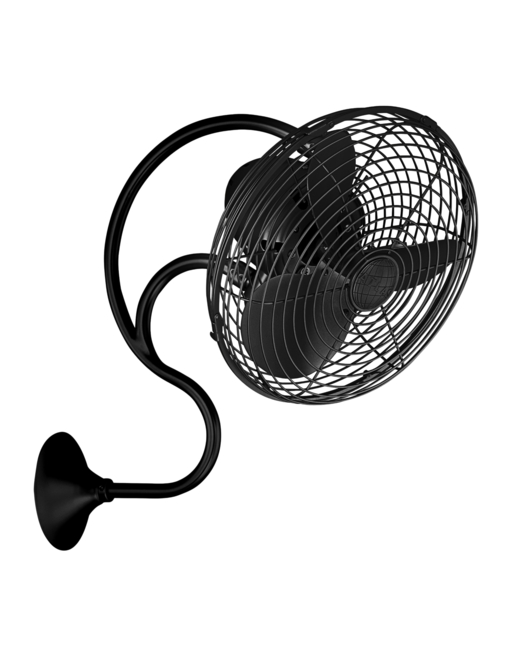
Sloped ceiling installations need angled mounting kits (included with most ceiling fans with downrods) accommodating pitches up to 30 degrees. For steeper vaults, select fans specifically engineered for angled mounting. Wall fans offer alternative solutions where ceiling installation proves impractical due to structural constraints or low clearance.
Professional installation ensures proper electrical connections, secure mounting, and blade balancing for vibration-free operation. Most quality fans include blade balancing kits for fine-tuning after installation.
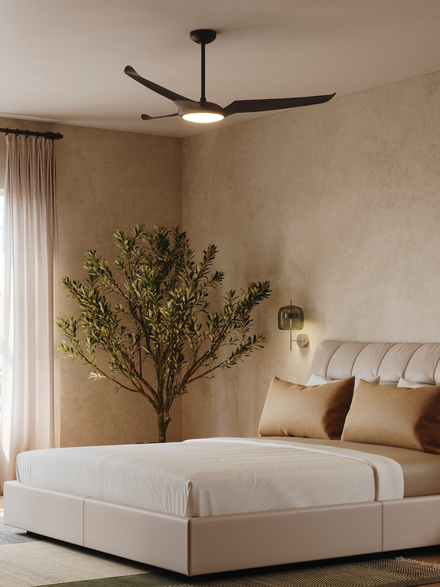
Our curated modern ceiling fan collection spans indoor ceiling fans engineered for bedrooms and living spaces to weather-resistant outdoor models transforming covered patios into year-round retreats. From low-profile designs for space-conscious rooms to dramatic statement pieces with integrated lighting, each fan represents technical excellence and design integrity. Explore smart features, DC motor efficiency, and architectural finishes that elevate comfort while complementing your interior vision.
Fans will circulate the air throughout the year, ensuring a relaxing and comfortable atmosphere. Ceiling fans with lights, can provide an accent glow as well.
Check your model's manual for cleaning instructions. Keeping the blades clean by removing any dust will help the fan circulate the air throughout the room efficiently.
A 40" to 48" fan will work for small rooms such as dens and offices. Rooms larger than 400 square feet will need a 52" to 56" fan.
Fans help save energy by circulating the air and creating a cool breeze. This breeze may prevent the need of an air conditioner, saving energy and costs.
Tower fans are used for direct cooling needs, whereas regular fans target the entire room evenly.
Yes. Some fans, called smart fans, can be controlled with an app for control outside the home.
DC fans use up to 70% less energy than AC fans, making them a worthy choice for an energy-conscious household.
Fans can only spread what is already around. Ensure a clean living space and clean fan blades regularly to prevent this.
Some fans can have a schedule set to turn on and off automatically, and only use a fan when it's needed. For those that are not automatic, you can also save energy by turning them off when they are not in use.